14 March 2023 14:00(KST)


Institutional Peace: Strengthening Communication to Build Trust
ABOUT
HWPL’s 7th Annual Commemoration of the Declaration of Peace and Cessation of War (DPCW) will be held in South Korea on 14 March 2023. Under the theme Institutional Peace: Strengthening Communication to Build Trust, HWPL and leaders from diverse social arenas will explore ways to institutionalize peace around the globe underscoring conflict prevention, mediation, and resolution.
SEE MORE The current global community has the highest count of conflicts since World War II. One out of four people live in conflict-affected areas, and the number of people forcibly displaced due to violence or human rights violations has gone over 100 million in 2022. What is worth our attention is the change in conflict actors. Not only conventional inter-state conflict and internal conflict, but non-state-based violence is also growing in number and severity. Such trends gave rise to the necessity of a multi-party approach involving multiple actors in peacebuilding efforts, from states, the conventional actors of the international society, to intergovernmental organizations and civil society. The UN and the AU are turning to the role of civil society in conflict resolution and building sustainable peace. It refers to efforts to establish peace that lasts long term in response to the spread of longstanding conflicts, an approach countering the growing complexity as politics, economic issues, and other structural factors blend with ethnicity, religion, and other cultural factors. HWPL’s intervention in the Moro conflict in Mindanao, the Philippines, has contributed to establishing lasting peace. It is a case in point of the effect of a multi-actor approach in building trust by facilitating communication among parties, establishing legal and economic institutions to sustain peace, and raising awareness for peace among local citizens of the conflict-affected regions. The case is a demonstration of the process of institutionalizing peace. The Declaration of Peace and Cessation of War (DPCW), proclaimed at 3:14 p.m. on 14 March 2016, proposes ten articles and 38 clauses as a solution to prevent and resolve conflicts between and within states. Turning its view beyond the traditional role of a state, from Article 8 to Article 10, the Declaration highlights the role of diverse actors in establishing peace as a culture and spreading a culture of peace. Furthermore, to ensure religious beliefs and ethnic identities are respected without stemming conflict, the DPCW covers solidarity and activities of organizations and agencies working worldwide for the cause of peace and presents education that encourages mutual understanding and respect. HWPL carries out peace projects inspired by the DPCW. Its focus areas include establishing a platform for communication for citizens and governments in conflict-affected areas to build trust in the local communities. In addition, its communication channels for interreligious dialogue have served to resolve misunderstandings of religions and prevent conflict caused by religion, hosting lively conversations in 130 countries since it was established in 2014. At the core of the DPCW are messages that the actor of peacebuilding is the citizens and that a sustainable global order is not in governing by power but by the rule of law, reaching harmony, fairness, and justice. This year’s commemoration will share cases of efforts for institutionalizing peace and their outcomes. Based on such presentations, the event will offer an opportunity to set strategies and action plans to develop and further expand the current peace activities from around the globe.
2. Background
– Emerging Trends in Conflicts, the Rise of Non-State Actors
– A Multi-Party Approach for Conflict Resolution
3. program
HWPL’s 7th Annual Commemoration of the Declaration of Peace and Cessation of War (DPCW) will be held in South Korea on 14 March 2023. Under the theme Institutional Peace: Strengthening Communication to Build Trust, HWPL and leaders from diverse social arenas will explore ways to institutionalize peace around the globe underscoring conflict prevention, mediation, and resolution.
SEE MORE The current global community has the highest count of conflicts since World War II. One out of four people live in conflict-affected areas, and the number of people forcibly displaced due to violence or human rights violations has gone over 100 million in 2022. What is worth our attention is the change in conflict actors. Not only conventional inter-state conflict and internal conflict, but non-state-based violence is also growing in number and severity. Such trends gave rise to the necessity of a multi-party approach involving multiple actors in peacebuilding efforts, from states, the conventional actors of the international society, to intergovernmental organizations and civil society. The UN and the AU are turning to the role of civil society in conflict resolution and building sustainable peace. It refers to efforts to establish peace that lasts long term in response to the spread of longstanding conflicts, an approach countering the growing complexity as politics, economic issues, and other structural factors blend with ethnicity, religion, and other cultural factors. HWPL’s intervention in the Moro conflict in Mindanao, the Philippines, has contributed to establishing lasting peace. It is a case in point of the effect of a multi-actor approach in building trust by facilitating communication among parties, establishing legal and economic institutions to sustain peace, and raising awareness for peace among local citizens of the conflict-affected regions. The case is a demonstration of the process of institutionalizing peace. The Declaration of Peace and Cessation of War (DPCW), proclaimed at 3:14 p.m. on 14 March 2016, proposes ten articles and 38 clauses as a solution to prevent and resolve conflicts between and within states. Turning its view beyond the traditional role of a state, from Article 8 to Article 10, the Declaration highlights the role of diverse actors in establishing peace as a culture and spreading a culture of peace. Furthermore, to ensure religious beliefs and ethnic identities are respected without stemming conflict, the DPCW covers solidarity and activities of organizations and agencies working worldwide for the cause of peace and presents education that encourages mutual understanding and respect. HWPL carries out peace projects inspired by the DPCW. Its focus areas include establishing a platform for communication for citizens and governments in conflict-affected areas to build trust in the local communities. In addition, its communication channels for interreligious dialogue have served to resolve misunderstandings of religions and prevent conflict caused by religion, hosting lively conversations in 130 countries since it was established in 2014. At the core of the DPCW are messages that the actor of peacebuilding is the citizens and that a sustainable global order is not in governing by power but by the rule of law, reaching harmony, fairness, and justice. This year’s commemoration will share cases of efforts for institutionalizing peace and their outcomes. Based on such presentations, the event will offer an opportunity to set strategies and action plans to develop and further expand the current peace activities from around the globe.
2. Background
– Emerging Trends in Conflicts, the Rise of Non-State Actors
– A Multi-Party Approach for Conflict Resolution
3. program
PROGRAM
| 14:00 | Opening
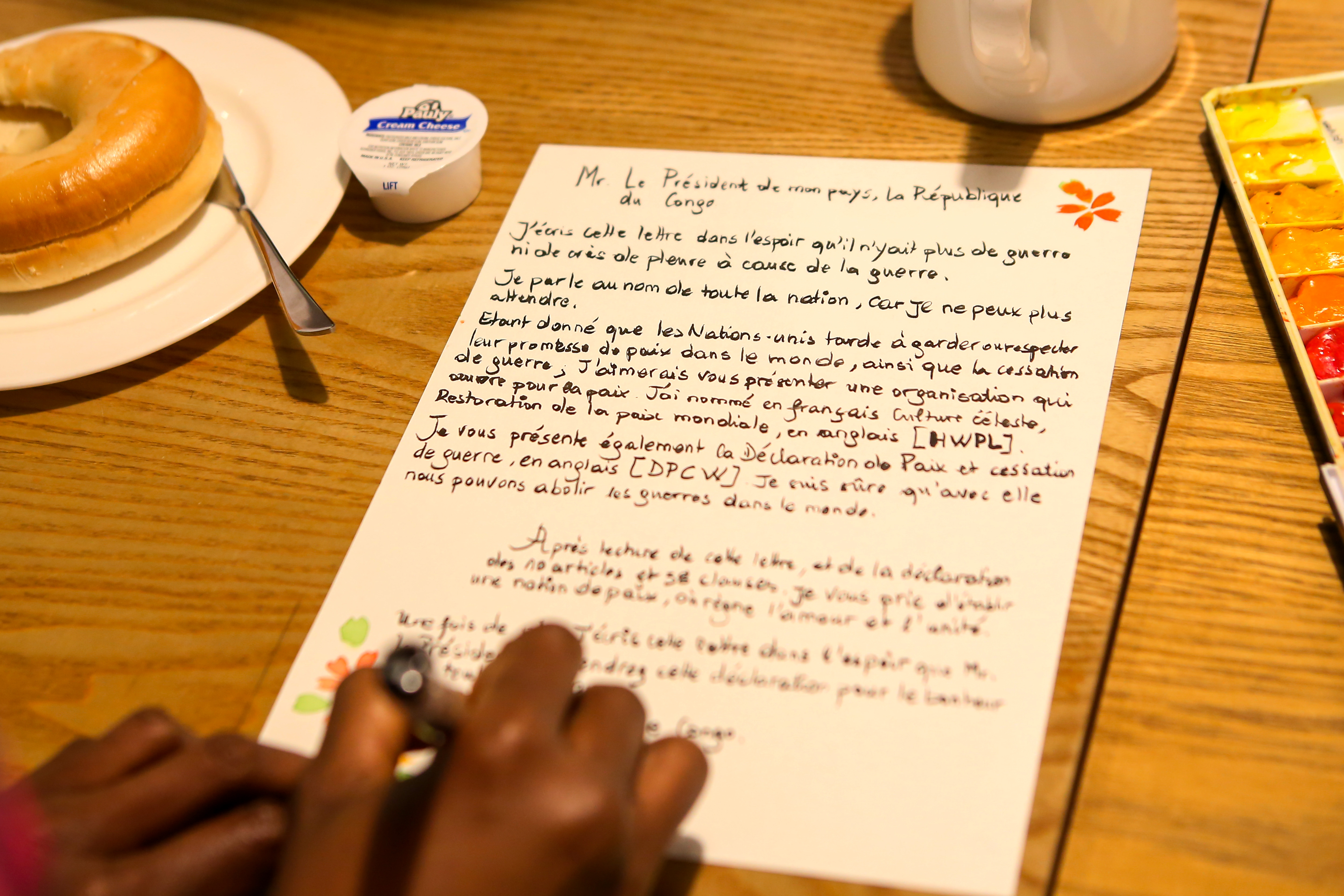
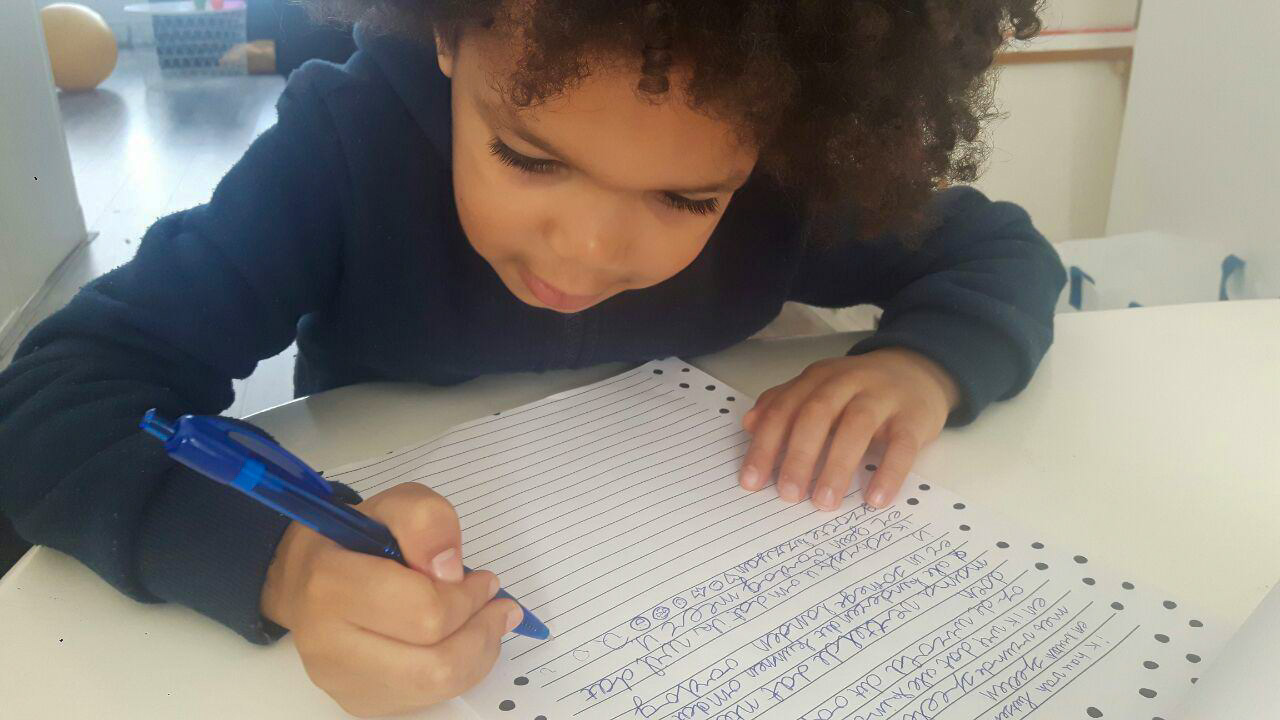
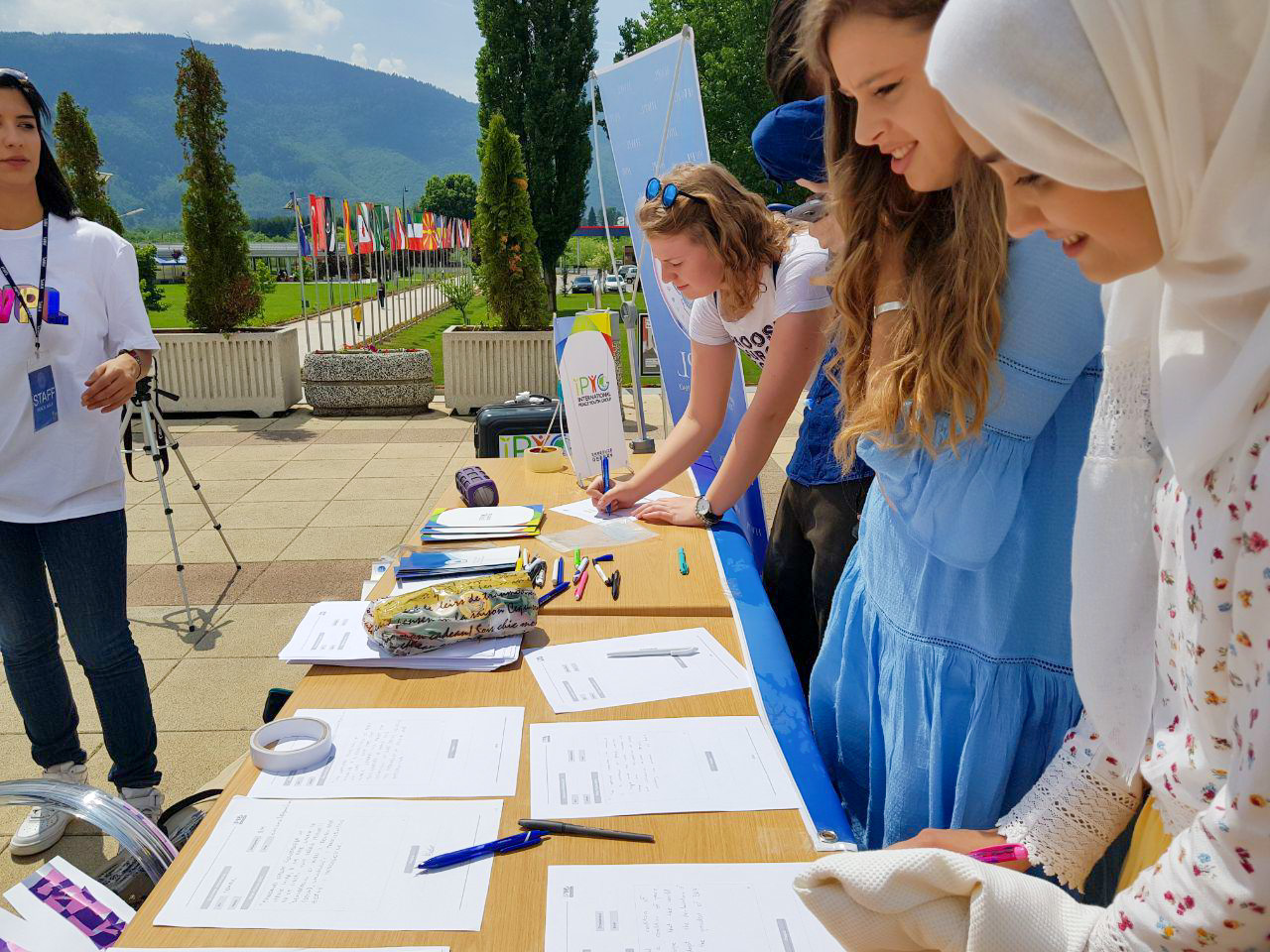
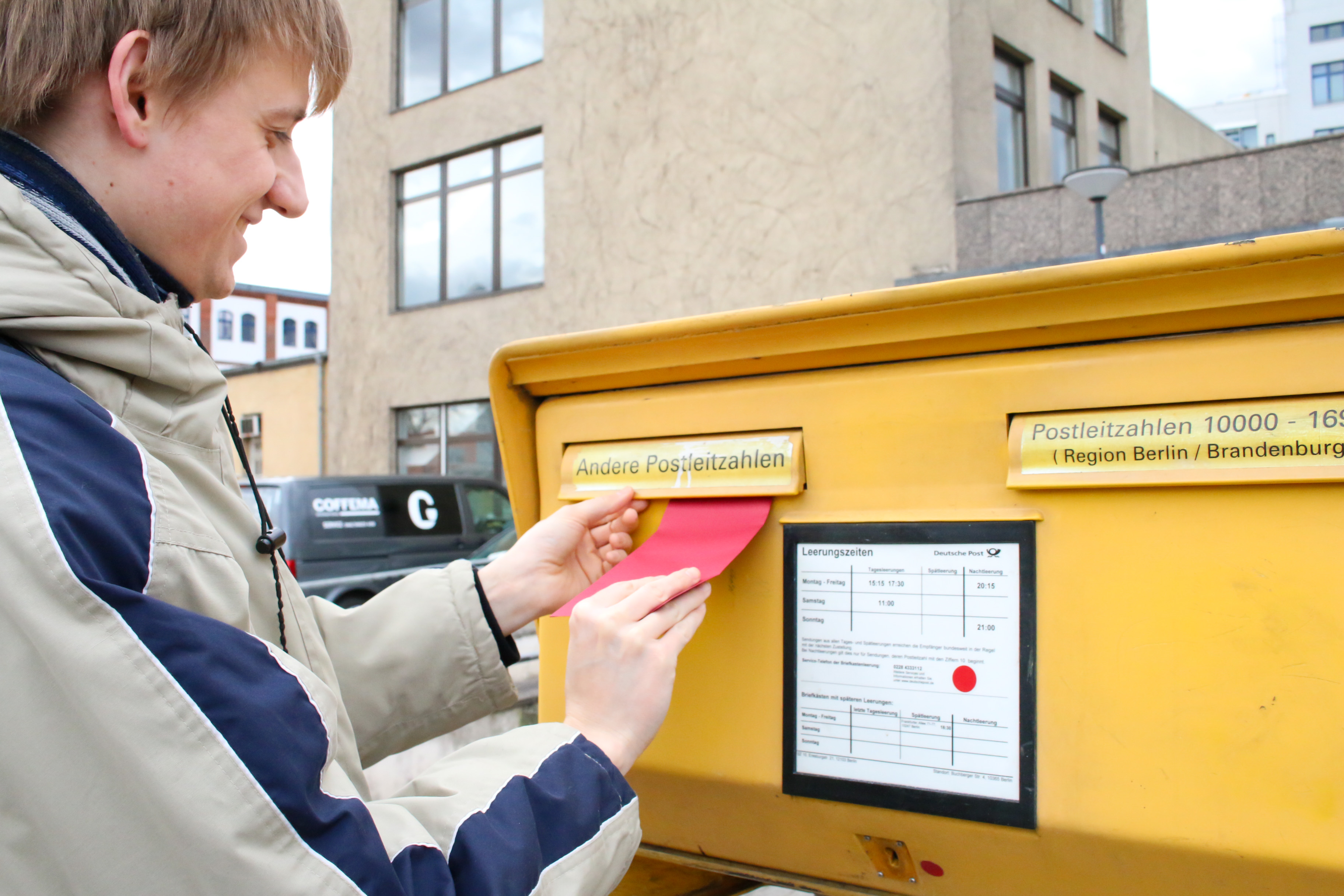
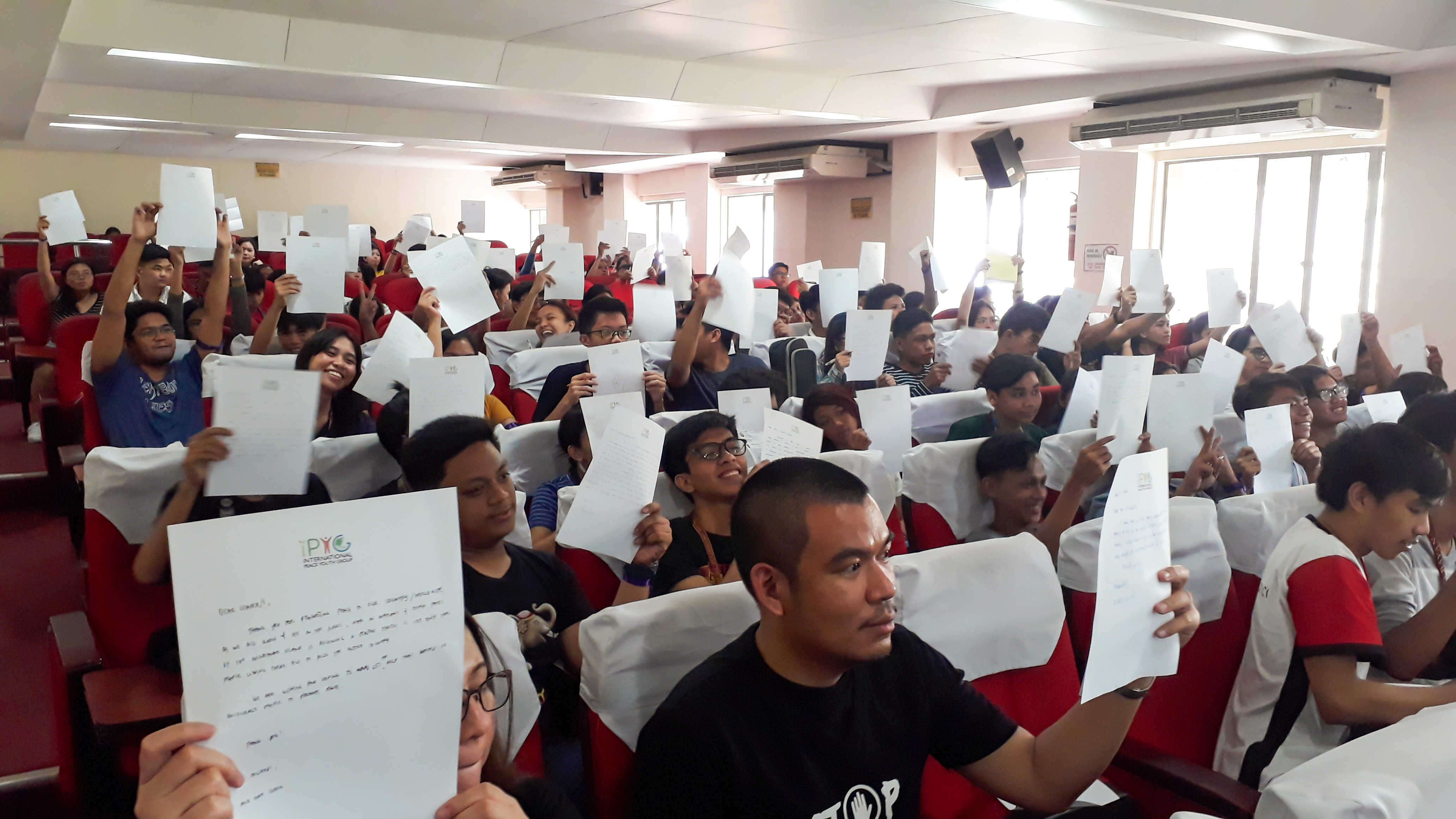
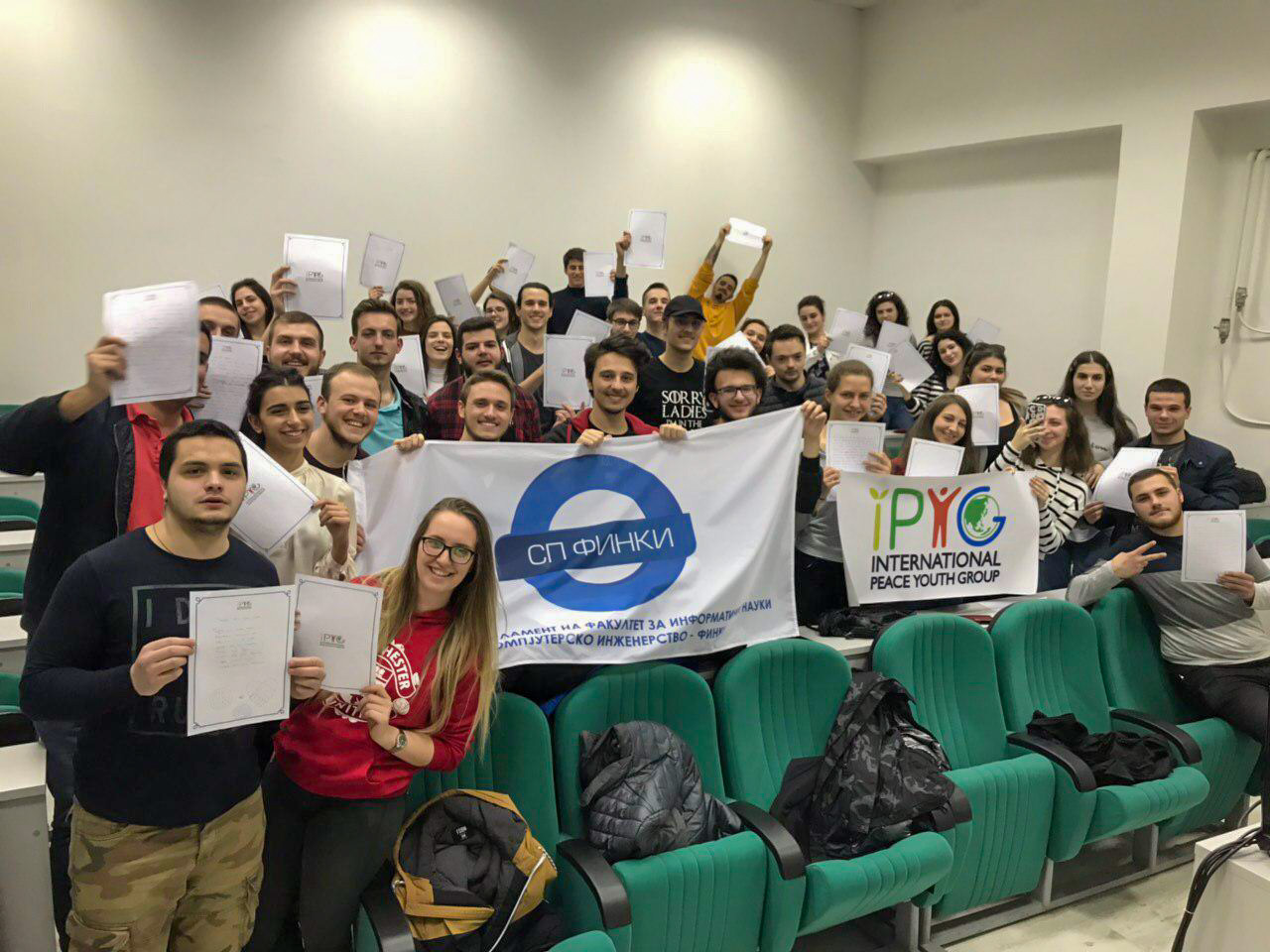
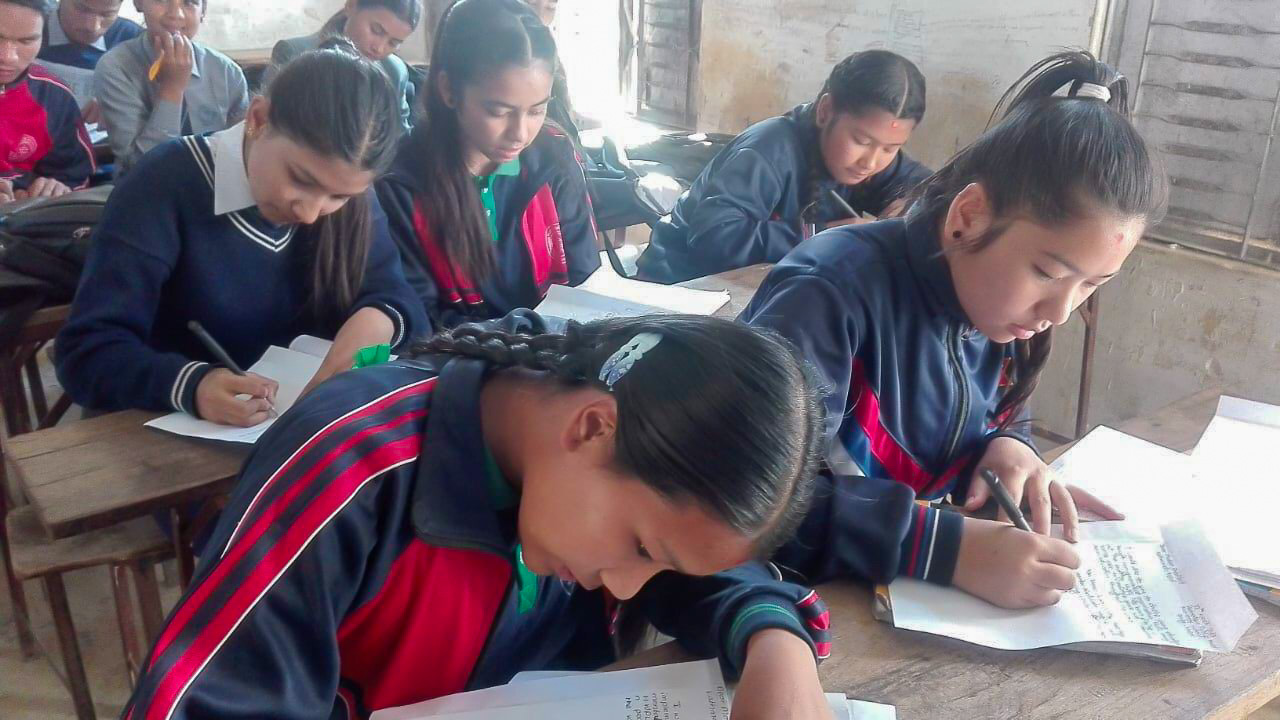
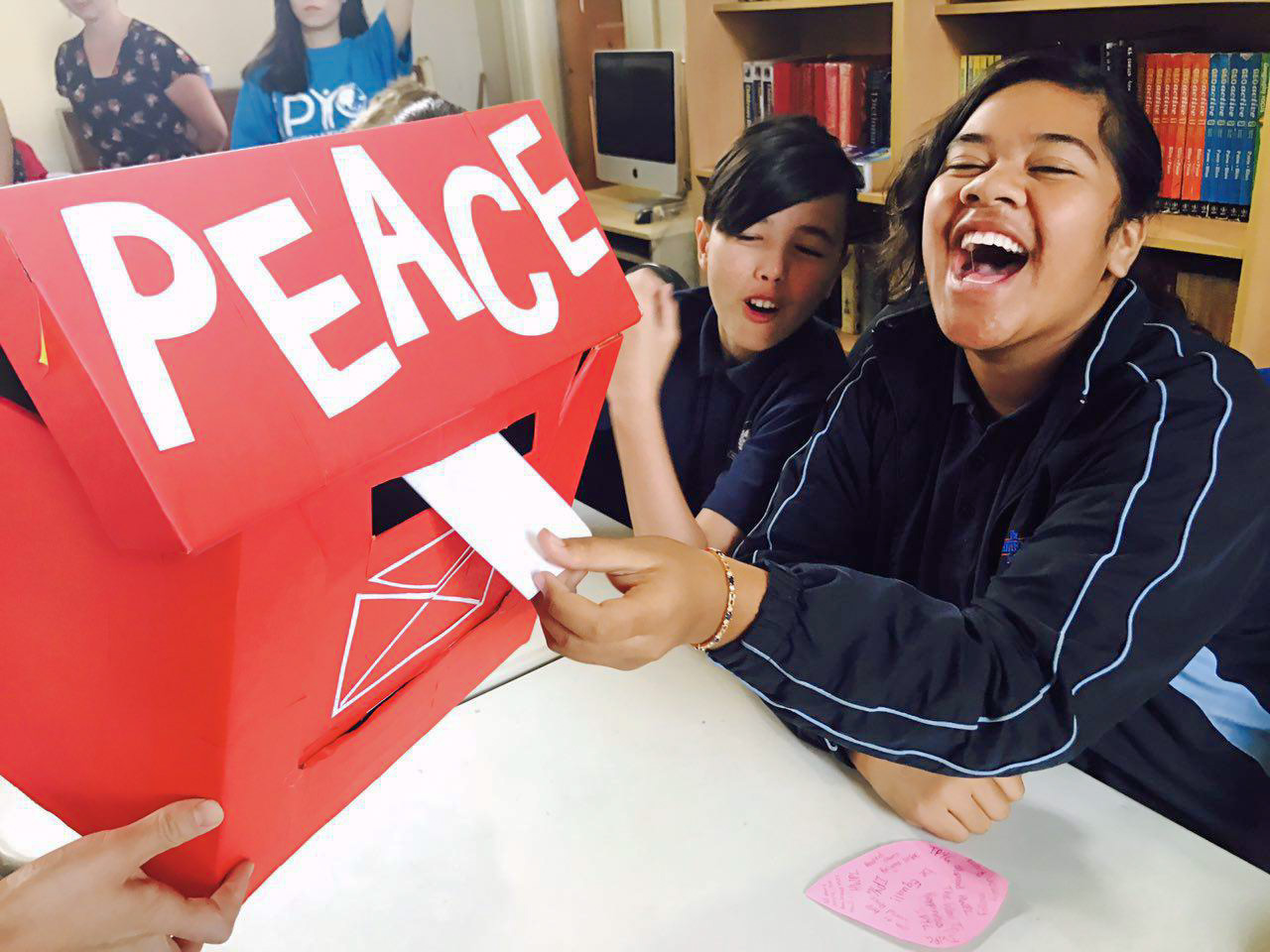
Congratulatory Messages The 7th Annual Commemoration of the Declaration of World Peace and Cessation of War (DPCW) Progress Speech. The Significance and Progression of the DPCW Speech. Building Interfaith Trust Through Dialogue Commemorative Address Peace Letter Performance Closing |
| 14:00 | Opening
Congratulatory Messages The 7th Annual Commemoration of the Declaration of World Peace and Cessation of War (DPCW) Progress Speech. The Significance and Progression of the DPCW Speech. Building Interfaith Trust Through Dialogue Commemorative Address Peace Letter Performance Closing |
SPEAKERS
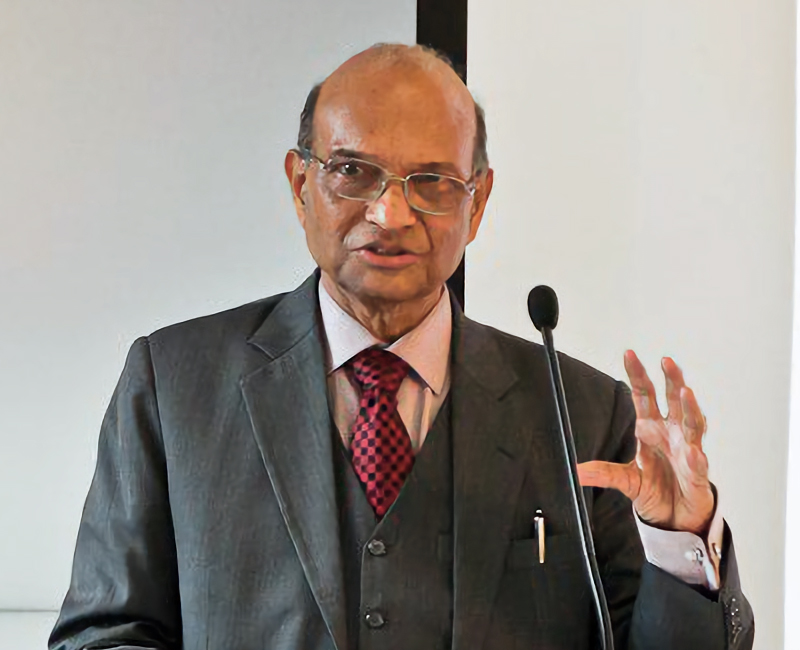

Mr. Pravin H. Parekh
President of Confederation of Indian Bar, Chairperson of the HWPL International Law Peace Committee
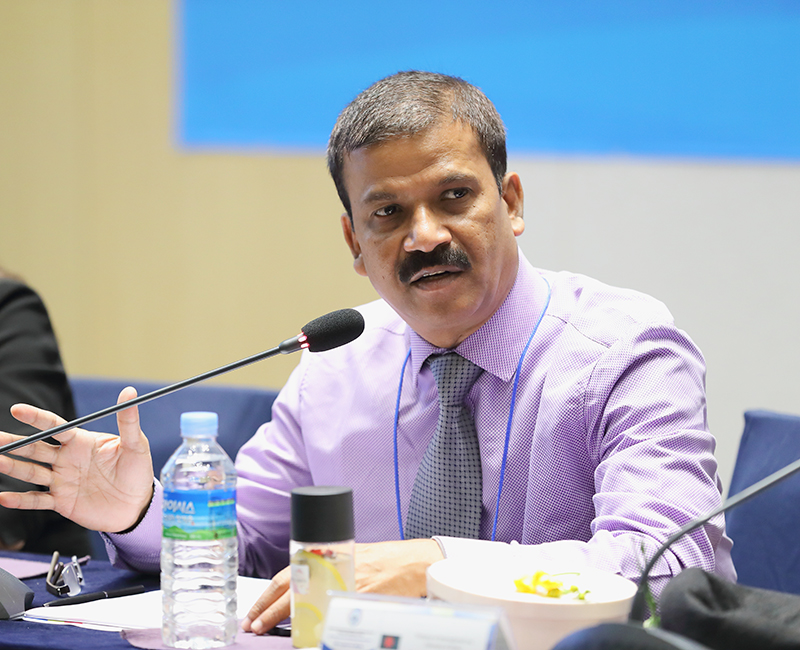
Prof. Md. Nazrul Islam
Professor and Chairman, Department of Law, University of Dhaka, HWPL International Law Peace Committee Member
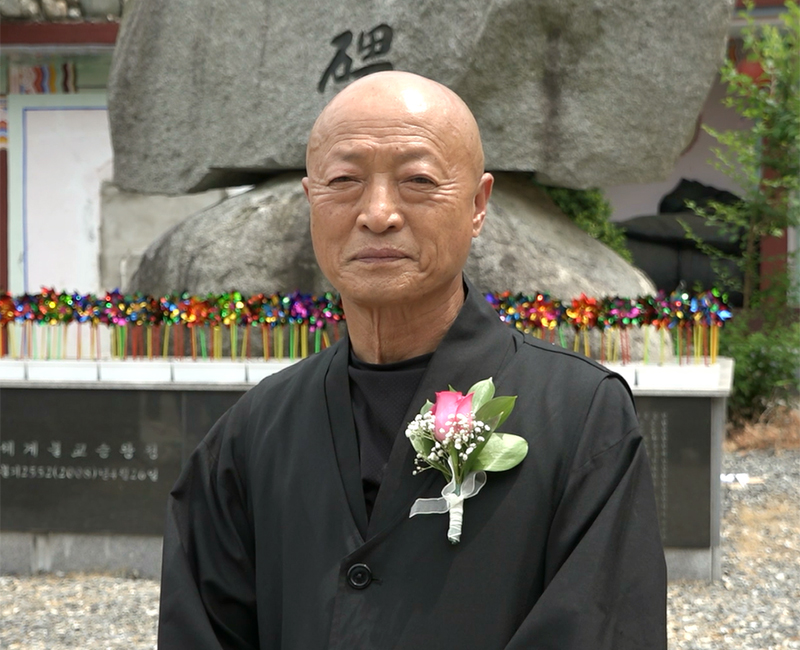
Ven. Myeong An
Vice President of the Yeorae Order of Korean Buddhism
LP GALLERY